
Assisted Living Facility Investment Opportunity
SECTION 1 — EXECUTIVE SUMMARY
This assisted living development opportunity offers investors participation in a high‑demand, recession‑resilient asset class supported by demographic growth, predictable recurring revenue, and strong regulatory barriers to entry. The project consists of developing and operating a licensed assisted living community designed to serve seniors requiring daily support, medication management, and social engagement. The sponsor is currently negotiating with experienced assisted living operators who will manage licensing, staffing, compliance, and day‑to‑day facility operations under a lease plus profit‑sharing structure. With a defined construction timeline and a clear path to stabilization, this investment provides both financial return potential and meaningful community impact.
SECTION 2 — PROJECT OVERVIEW
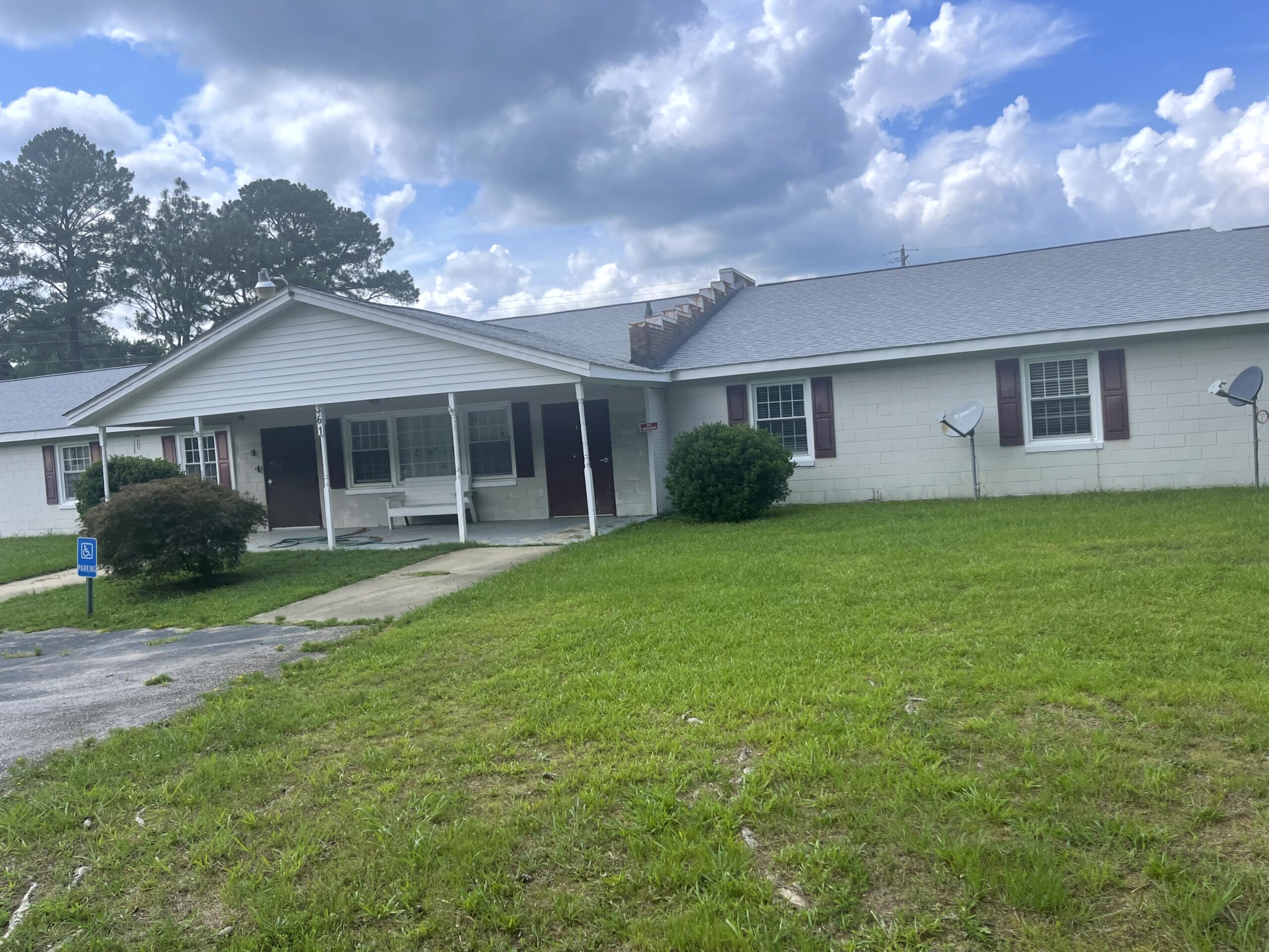
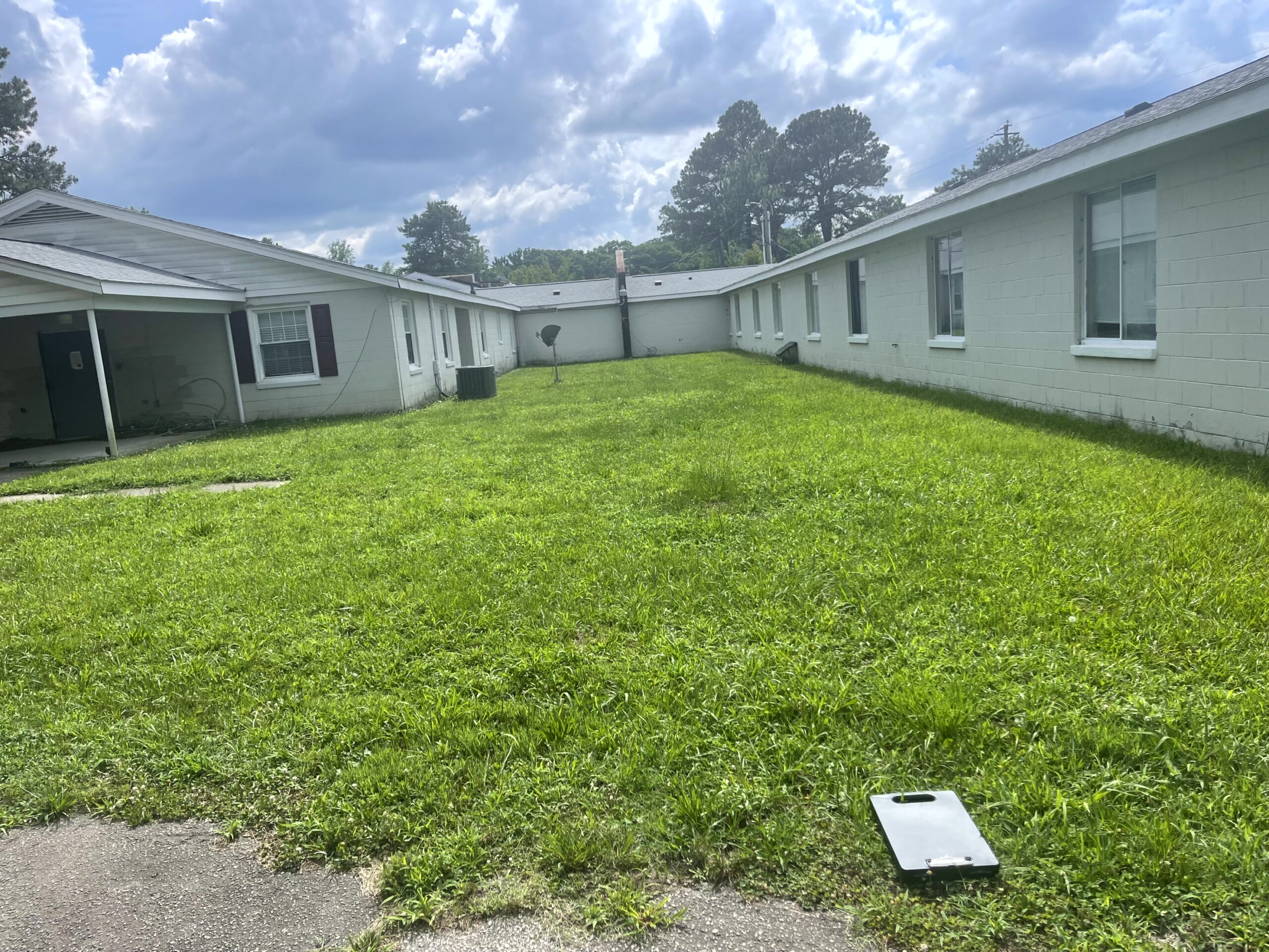
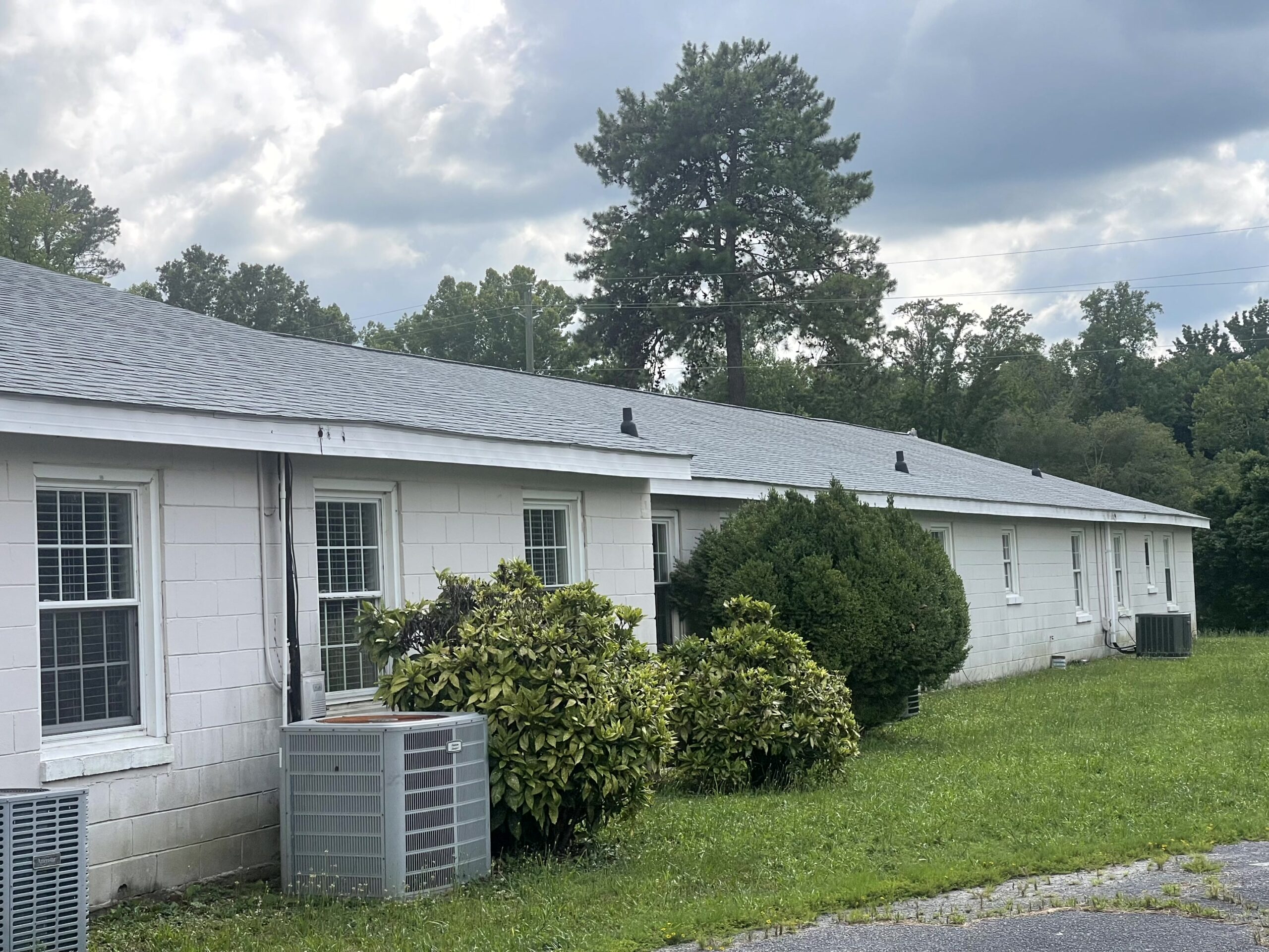
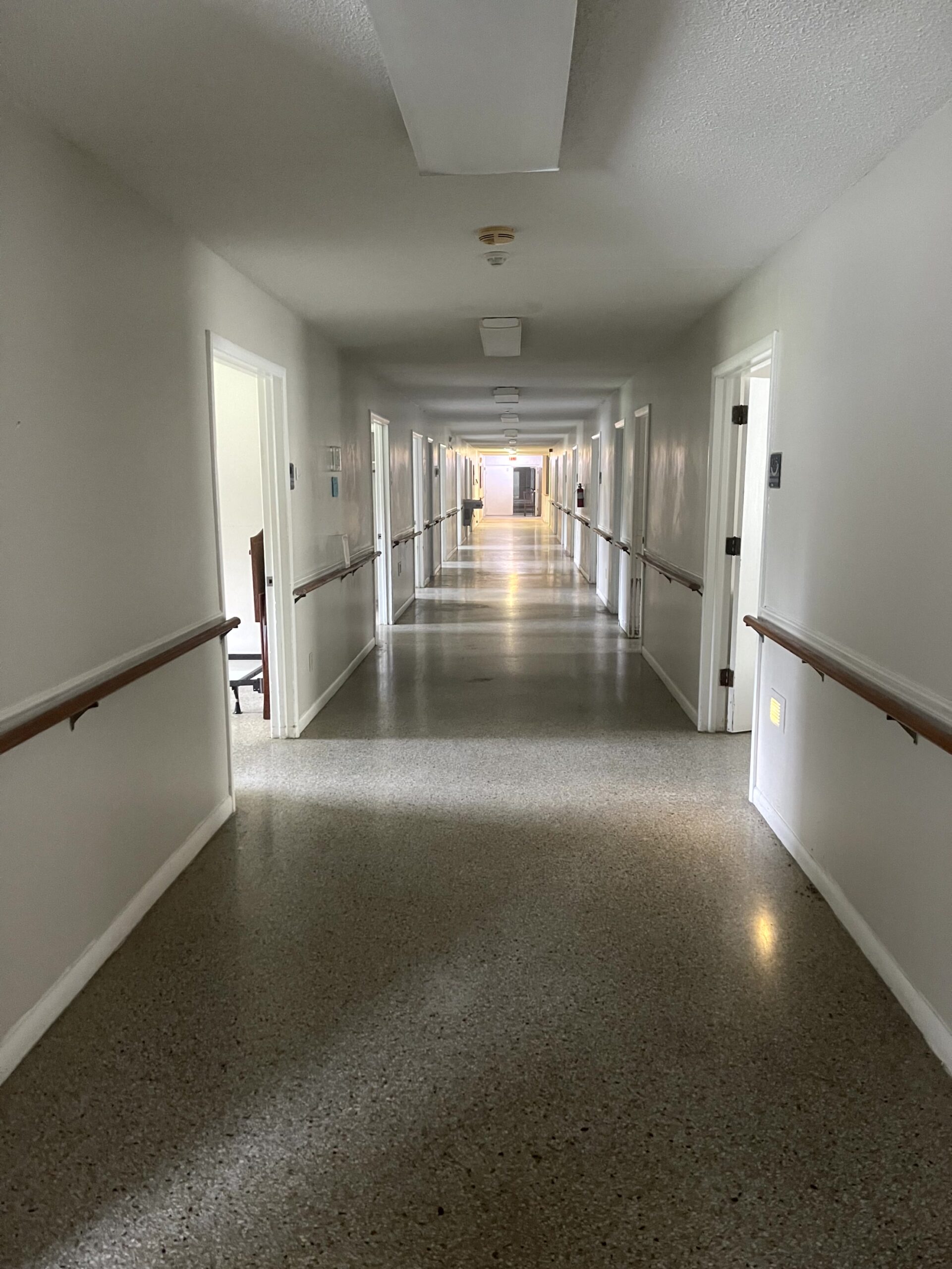
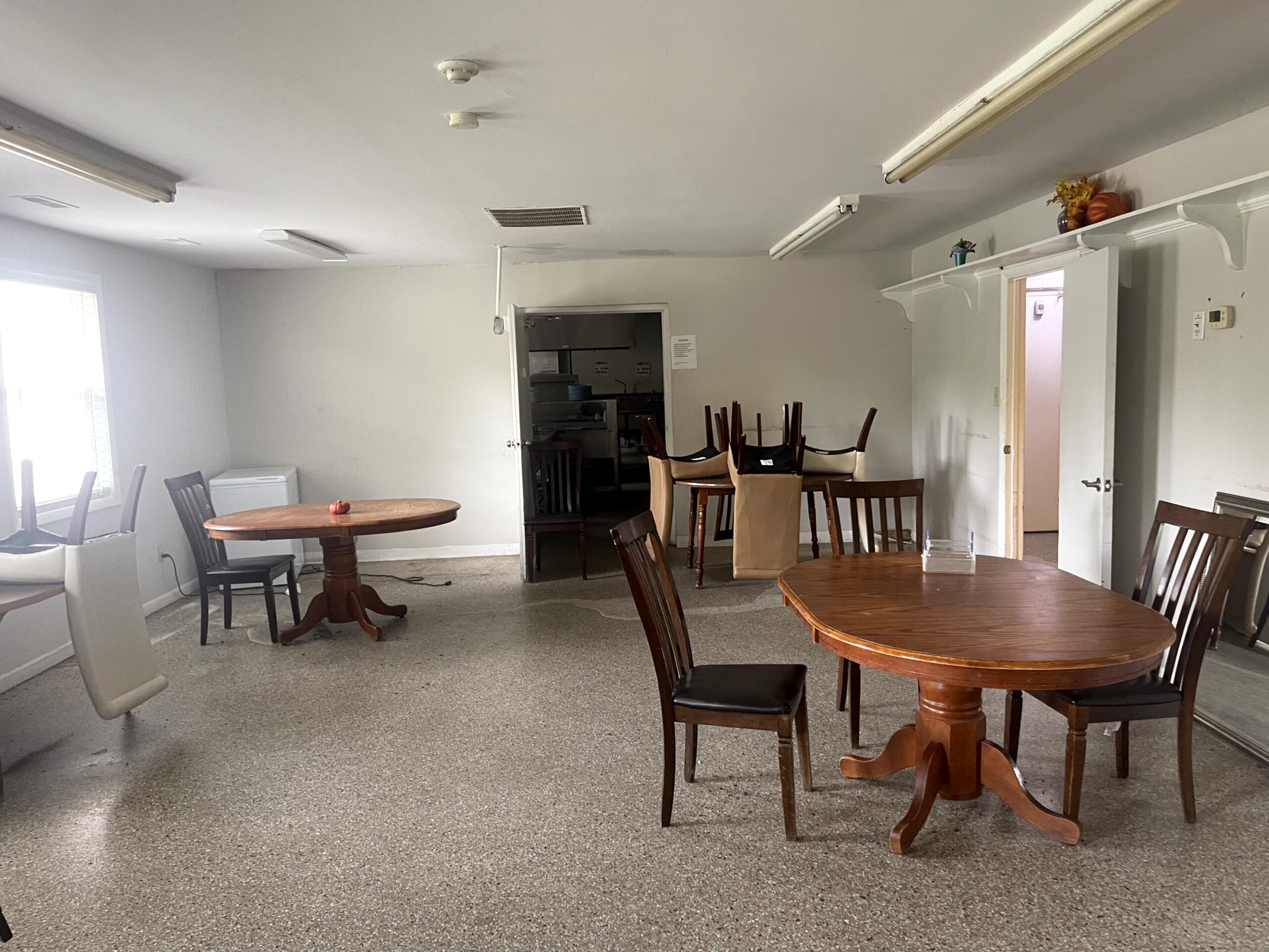
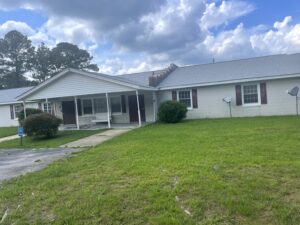
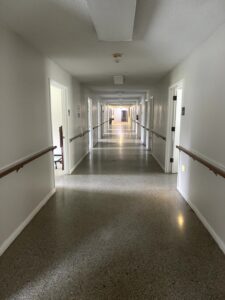
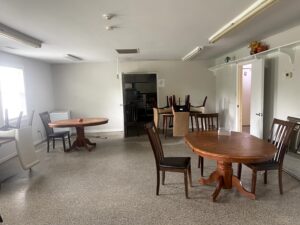
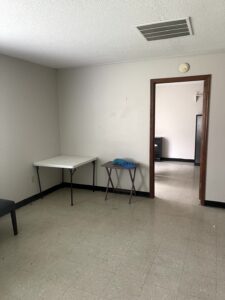
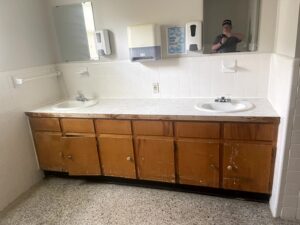
Project Type: Assisted Living Community (Residential Care Facility) Location: Central North Carolina Facility Size: 62‑bed community featuring private rooms, dining hall, activity spaces, and outdoor amenities Care Levels Offered: Assisted Living, Medication Management, Wellness Programs Operator Structure: The sponsor is actively negotiating with licensed assisted living operators who will assume responsibility for licensing, regulatory compliance, staffing, and daily operations. The agreement under negotiation includes a base lease plus percentage‑of‑profit participation, aligning operator incentives with investor outcomes. Target Opening: [Insert projected date] Stabilization Timeline: 12–18 months post‑opening
The project is designed to meet state licensing requirements, incorporate modern safety and accessibility standards, and deliver a warm, community‑centered environment that appeals to residents and families.
SECTION 3 — MARKET ANALYSIS
✓ Demographic Growth: The senior population (75+) is expanding rapidly, with demand for assisted living projected to outpace supply in most counties across the region. ✓ Limited New Supply: Regulatory hurdles, staffing requirements, and specialized construction standards restrict new entrants, creating a favorable competitive landscape. ✓ High Occupancy Rates: Assisted living facilities in the region average 85–95% occupancy, driven by long‑term care needs rather than market cycles. ✓ Recession‑Resilient Demand: Care‑based housing remains stable even during economic downturns, supported by family decision‑making and medical necessity. ✓ Premium Service Opportunities: Medication management, transportation, and wellness programs allow for tiered pricing and increased per‑resident revenue.
This market environment supports predictable absorption, strong pricing power, and long‑term operational stability.
SECTION 4 — DEVELOPMENT PLAN
Phase 1 — Land Acquisition & Operator Negotiation Secure site in Central NC, complete feasibility studies, finalize architectural plans, and negotiate operator agreement covering licensing, staffing, and daily operations.
Phase 2 — Licensing & Compliance Preparation Operator begins licensing process, prepares compliance documentation, and coordinates with state regulators.
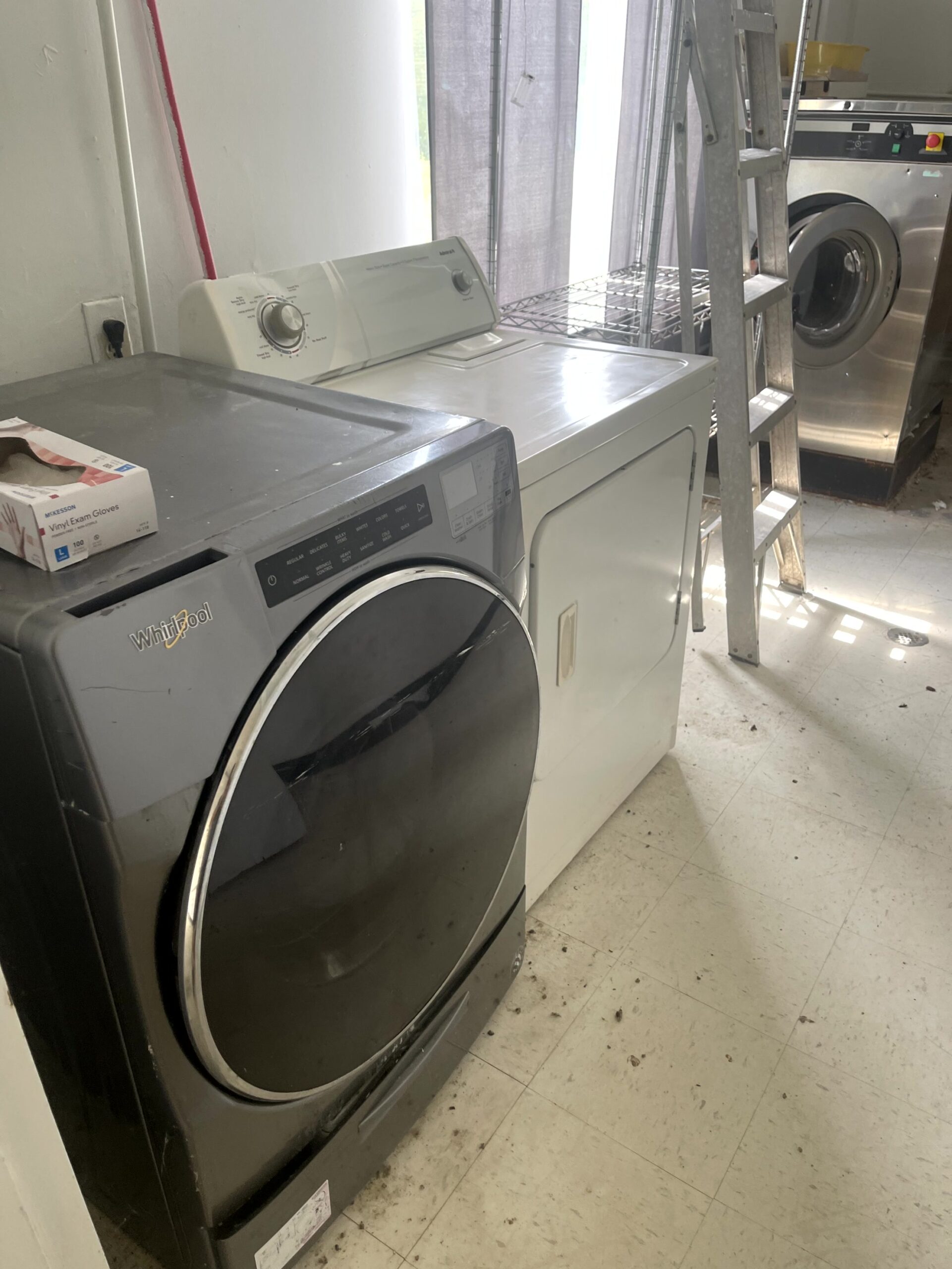
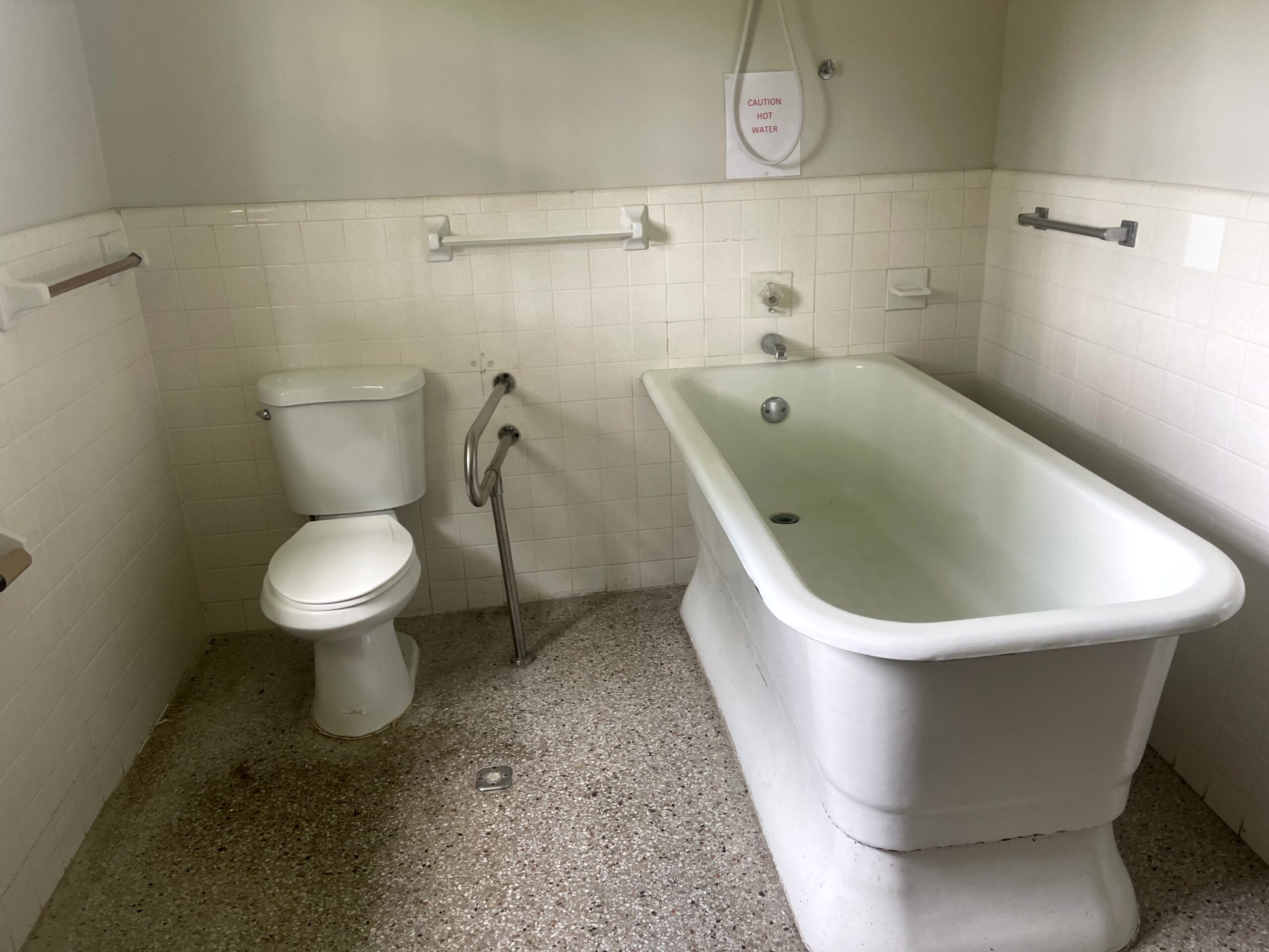
Phase 3 — Construction & Build‑Out 12–14 months of construction including resident rooms, dining facilities, commercial kitchen, nurse stations, activity rooms, and outdoor spaces.
Phase 4 — Staffing & Pre‑Marketing Operator recruits licensed staff, trains care teams, establishes vendor relationships, and begins community outreach and referral partnerships.
Phase 5 — Opening & Lease‑Up Launch operations under the lease + profit‑share agreement, onboard initial residents, and ramp occupancy to stabilization targets.
Phase 6 — Stabilized Operations Operator manages daily operations, care delivery, and resident services, generating predictable monthly revenue through resident fees, care packages, and ancillary services.
SECTION 5 — FINANCIAL SUMMARY
Total Project Cost: [Insert projected cost] Investor Equity: [Insert amount or percentage] Debt Financing: [Insert lender assumptions, if applicable] Operator Agreement: Base lease payments plus percentage‑of‑profit participation, aligning operator incentives with investor returns. Projected Occupancy at Stabilization: 85–95%
Revenue Streams:
- Monthly resident fees
- Medication management
- Transportation services
- Wellness & activity programs
Return Drivers:
- Recurring monthly revenue
- Premium pricing for care services
- High occupancy stability
- Limited competitive supply
- Operator‑managed efficiency and compliance
- Profit‑share upside from operator agreement
Exit Options:
- Sale to regional assisted living operator
- Refinance at stabilization
- Long‑term hold for cash flow
SECTION 6 — INVESTMENT HIGHLIGHTS
✓ LOW ENTRY COST Land and development costs in central NC remain below regional averages, preserving capital for construction and maximizing return potential.
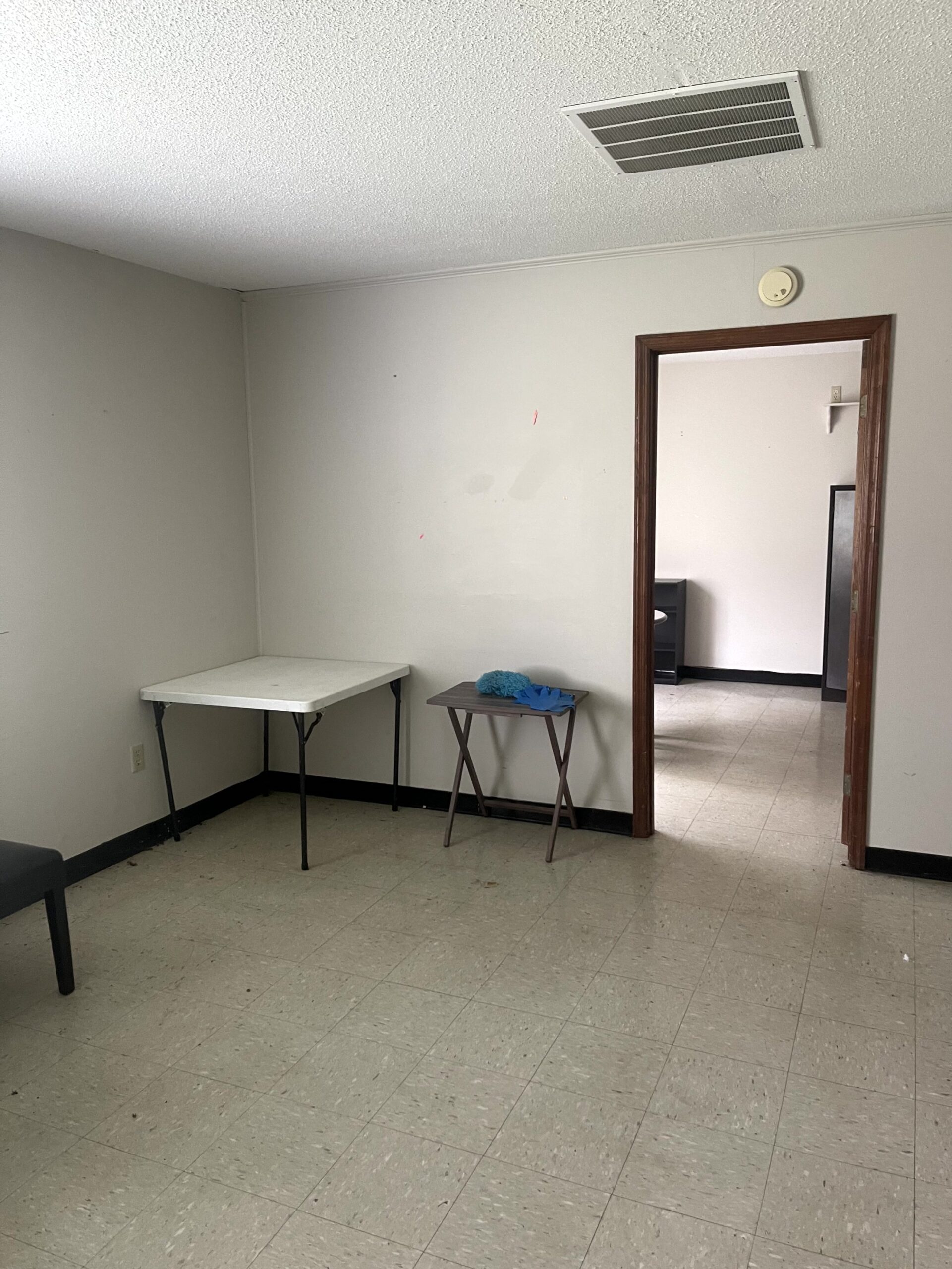
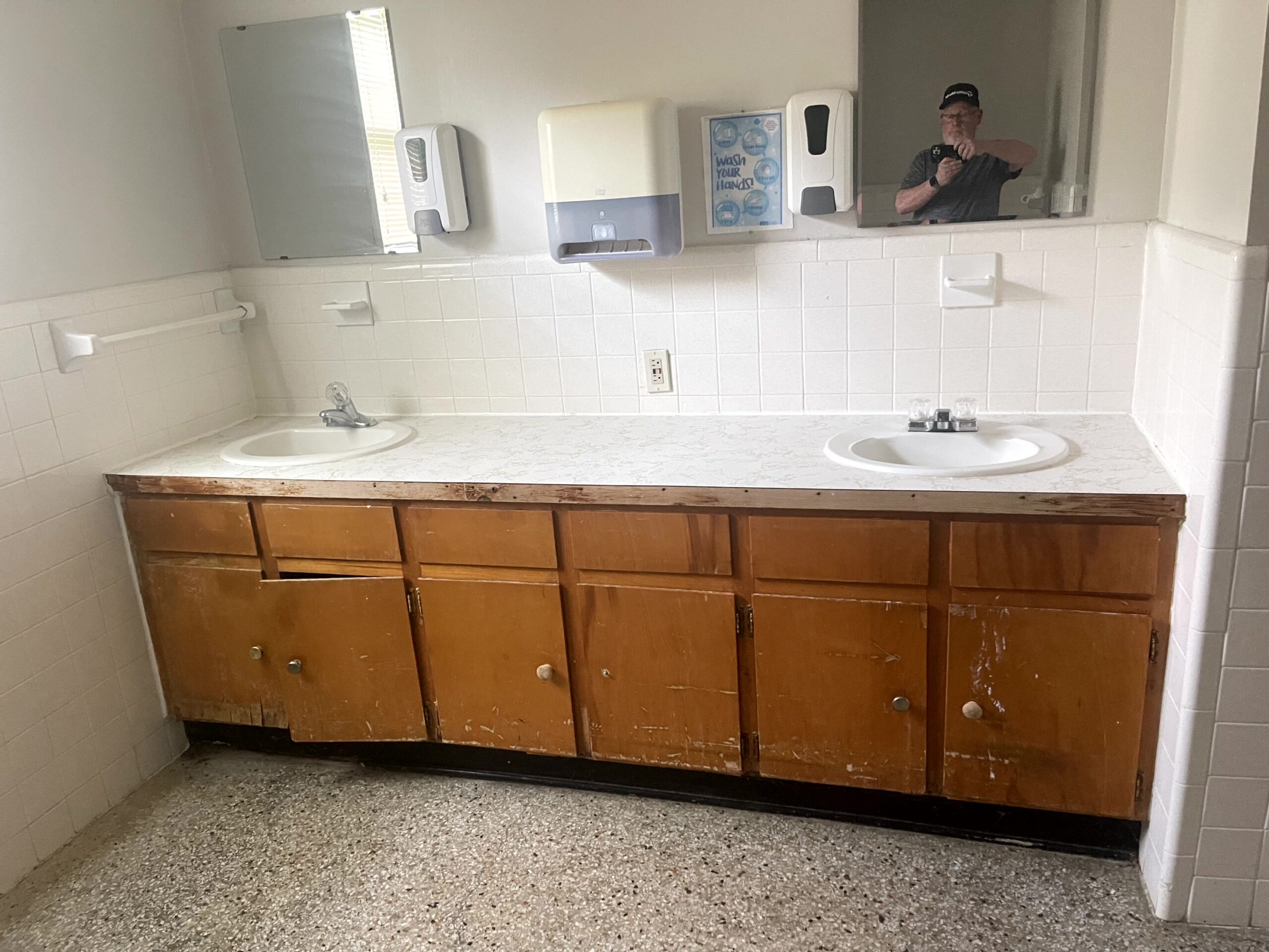
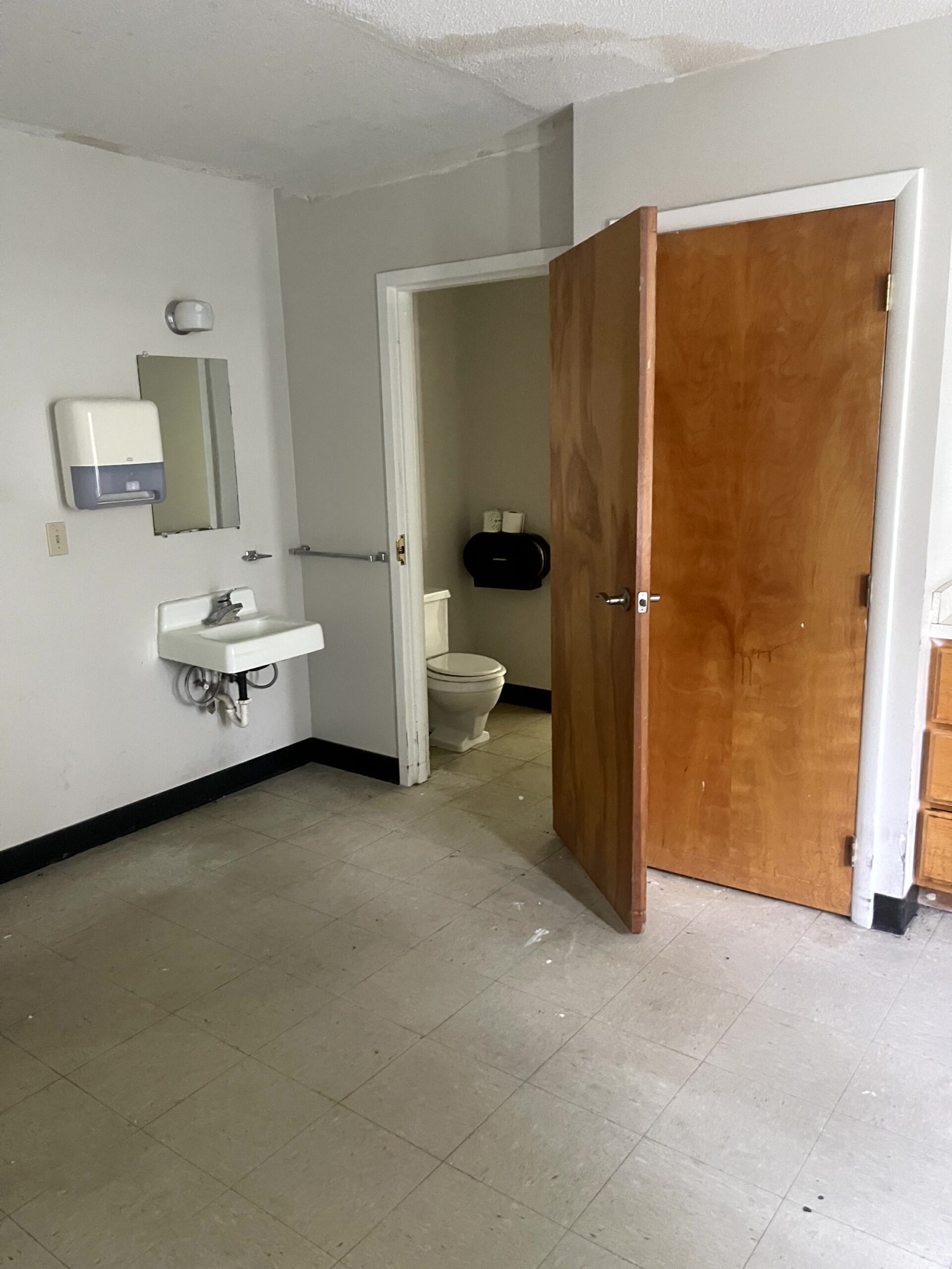
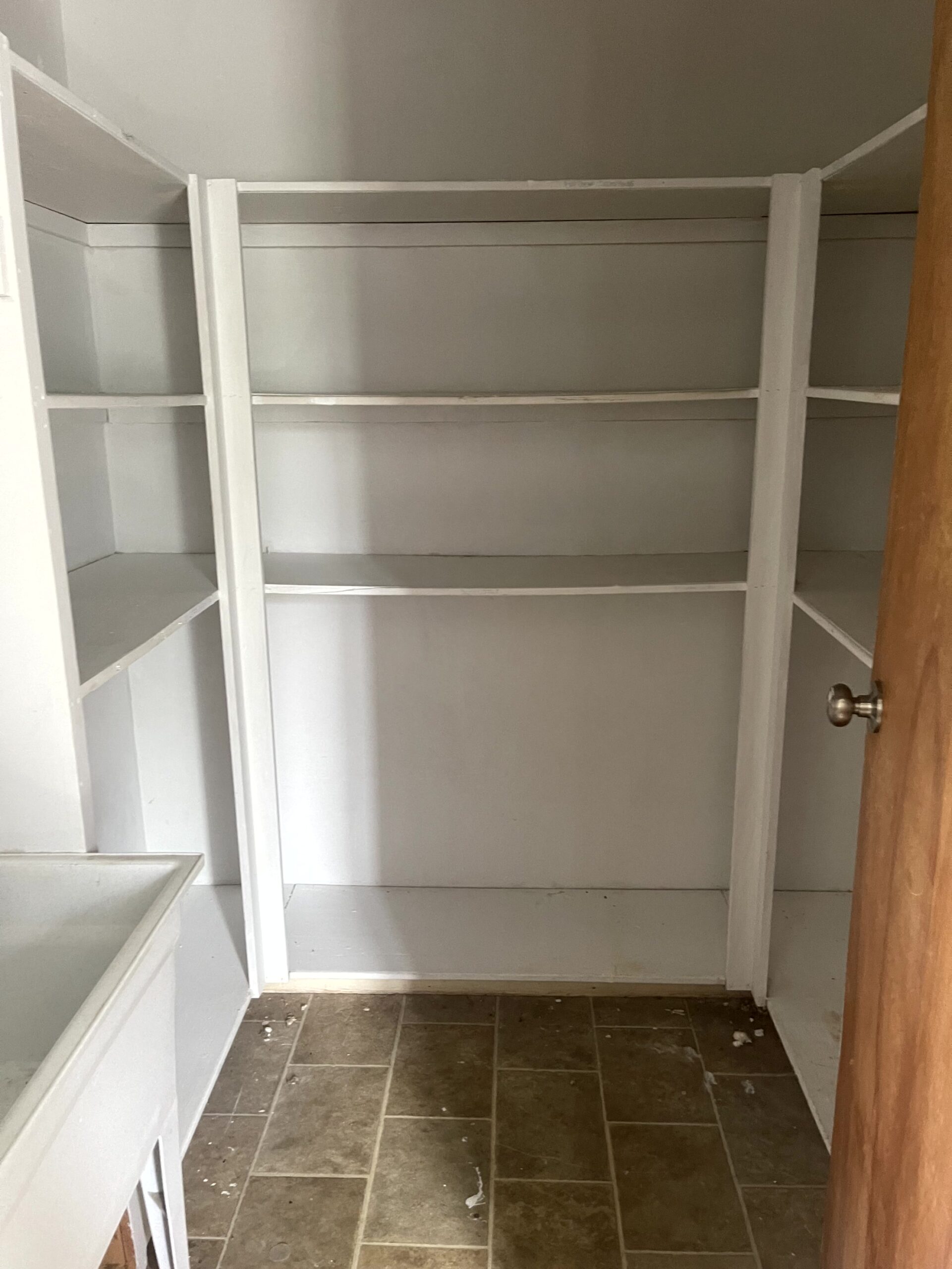
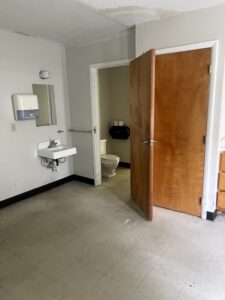
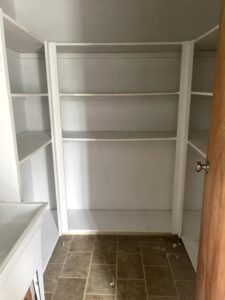
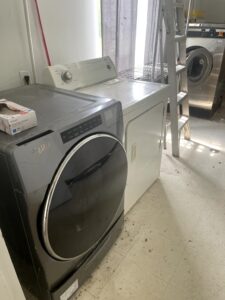
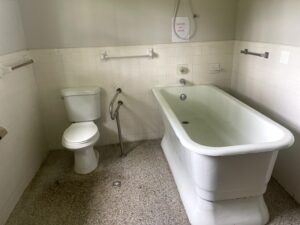
✓ PURPOSE‑BUILT FACILITY A modern 62‑bed assisted living community designed to meet state licensing standards and deliver high‑quality resident care.
✓ FAST‑MOVING MARKET Assisted living demand in central NC is rising, with limited new supply and strong demographic tailwinds supporting predictable lease‑up.
✓ RECURRING REVENUE PREMIUM Assisted living communities generate stable monthly income through resident fees and care services, outperforming traditional residential rentals.
✓ PORTFOLIO DIVERSIFICATION This single‑property deal allows investors to participate in a discrete, asset‑backed healthcare‑real‑estate transaction with a defined timeline and traceable exit.
✓ EXPERIENCED SPONSOR & OPERATOR PARTNERSHIP The sponsor brings regional development experience and is negotiating with licensed operators who will manage licensing, staffing, and daily operations under a lease + profit‑share structure.
IMPORTANT DISCLOSURE
This document is for informational purposes only and does not constitute an offer to sell or a solicitation of an offer to buy any security. Financial projections are estimates based on current market data and are not guaranteed. Any offering of securities will be made only pursuant to a Private Placement Memorandum (PPM). Investment in assisted living facilities involves significant risk, including regulatory changes, staffing challenges, and potential loss of principal. All financial projections assume favorable market conditions and are subject to change. Prospective investors should conduct their own due diligence and consult with independent legal, tax, and financial advisors. The sponsor does not provide investment, legal, or tax advice.
Confidential — For Authorized Investors Only | 2026